


Milan After the Flame: What to See When the Olympic Circus Leaves Town


The Olympics came and went. The medals were awarded, the sponsors satisfied, and the legacy debates has begun. Milan’s cultural treasures remain exactly where they’ve always been.
Spring 2026 will find Milan exhaling after the Winter Olympics, confident and ready to be explored on its own terms. We know: Most of the spectacles were in cohosting town of Cortina, but still.
Milan has always suffered from an image problem. Visitors dismiss it as Italy’s business capital, a grey northern metropolis better suited to trade fairs than la dolce vita. They pass through en route to Florence or Venice, perhaps pausing for a selfie at the Duomo before boarding another train.
They’re missing the point. This is the city where Leonardo da Vinci spent his most productive years, where Verdi premiered his operas, and where mid-century designers invented a visual language that still shapes contemporary taste. Milan’s cultural heritage rivals many European capitals.
Milan sits in the Po Valley of northern Lombardy, backed by the Alps and surrounded by lakes that have drawn travellers since the Grand Tour era. The climate is continental: cold, foggy winters give way to warm, occasionally humid summers. Spring and autumn offer the most comfortable conditions for walking the city. The historic centre is compact and manageable on foot, and an efficient metro system connects the rest. Here are ten must-sees.
Leonardo’s Last Supper

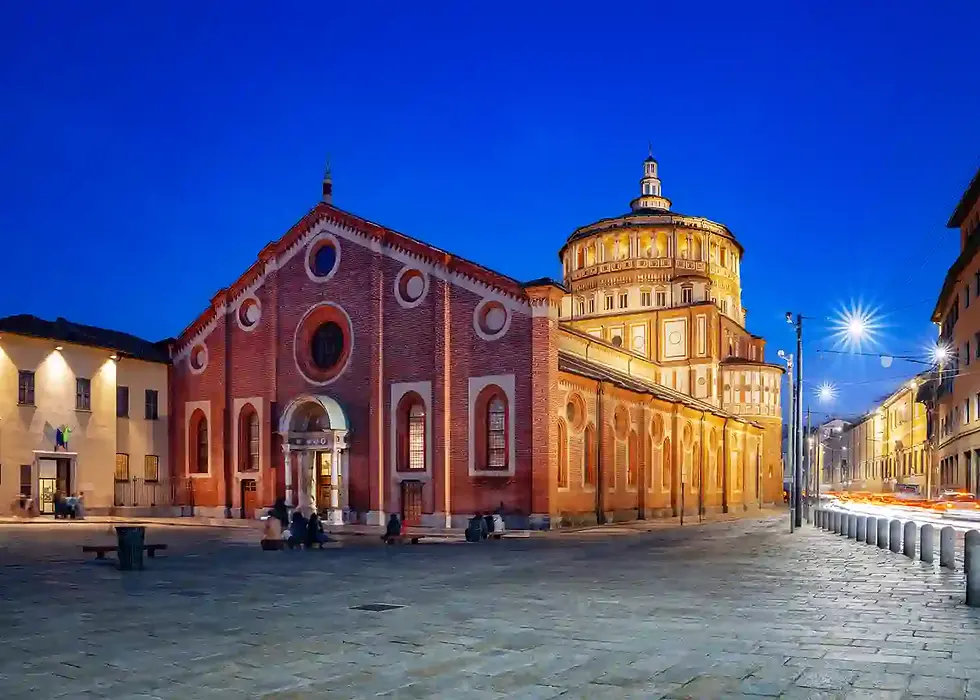
Leonardo da Vinci’s The Last Supper at Santa Maria delle Grazie is a must. The 15th-century mural remains one of humanity’s greatest artistic achievements, capturing the moment Christ announces his betrayal. Visits are strictly timed to 15-minute slots—book weeks in advance through the official website.
The former refectory survived Allied bombs through luck and sandbags. Stand as close as the guards allow. Your eye are pulled toward Christ’s face; the disciples’ reactions ripple outward in frozen astonishment.
Leonardo’s presence echoes throughout Milan. The Biblioteca Ambrosiana houses his Codex Atlanticus, a collection of 12 volumes of drawings spanning four decades. The science museum bearing his name brings his engineering fantasies to life through full-scale models. But the Last Supper remains the pilgrimage.
Address: Piazza di Santa Maria delle Grazie, 2
Public transport: Metro M1 – Conciliazione
Website: cenacolovinciano.org
An Afternoon at Pinacoteca di Brera

The Pinacoteca di Brera ranks among Europe’s finest galleries. Housed in a 17th-century palazzo that once trained Napoleon’s artists, the collection spans Italian painting from medieval to modern.
Mantegna’s Dead Christ—that radical experiment in foreshortening, the wounds visible on the soles of his feet—stops visitors mid-stride. Raphael’s Marriage of the Virgin demonstrates why he died the most famous painter in Europe. Caravaggio’s Supper at Emmaus captures the precise moment of recognition, bread still raised in blessing.
The galleries unfold room after room, each turn revealing another argument for why painting matters. Plan for hours, not minutes. The palazzo’s quiet courtyard offers respite between encounters, a place to sit with a coffee and process what you’ve seen.
Address: Via Brera, 28
Public transport: Metro M2 – Lanza
Website: pinacotecabrera.org
Milan’s Hidden Sistine Chapel

San Maurizio al Monastero Maggiore hides in plain sight on Corso Magenta, its modest exterior giving no hint of the explosion within. The 16th-century church served a Benedictine convent; its walls and ceilings blaze with frescoes by Bernardino Luini, a Leonardo follower who absorbed the master’s sfumato technique and applied it with almost excessive enthusiasm.
The effect overwhelms: every surface covered, every saint glowing, the whole space vibrating with Renaissance colour. A dividing wall once separated the public nave from the cloistered nuns; today, you can walk through both, tracing the iconographic programme from floor to ceiling.
Entry is free. Crowds never materialise; you might have a private audience with some of Milan’s finest Renaissance paintings, hidden in a church most tourists walk straight past.
Address: Corso Magenta, 15
Public transport: Metro M1 – Cadorna
Anselm Kiefer at Pirelli HangarBicocca
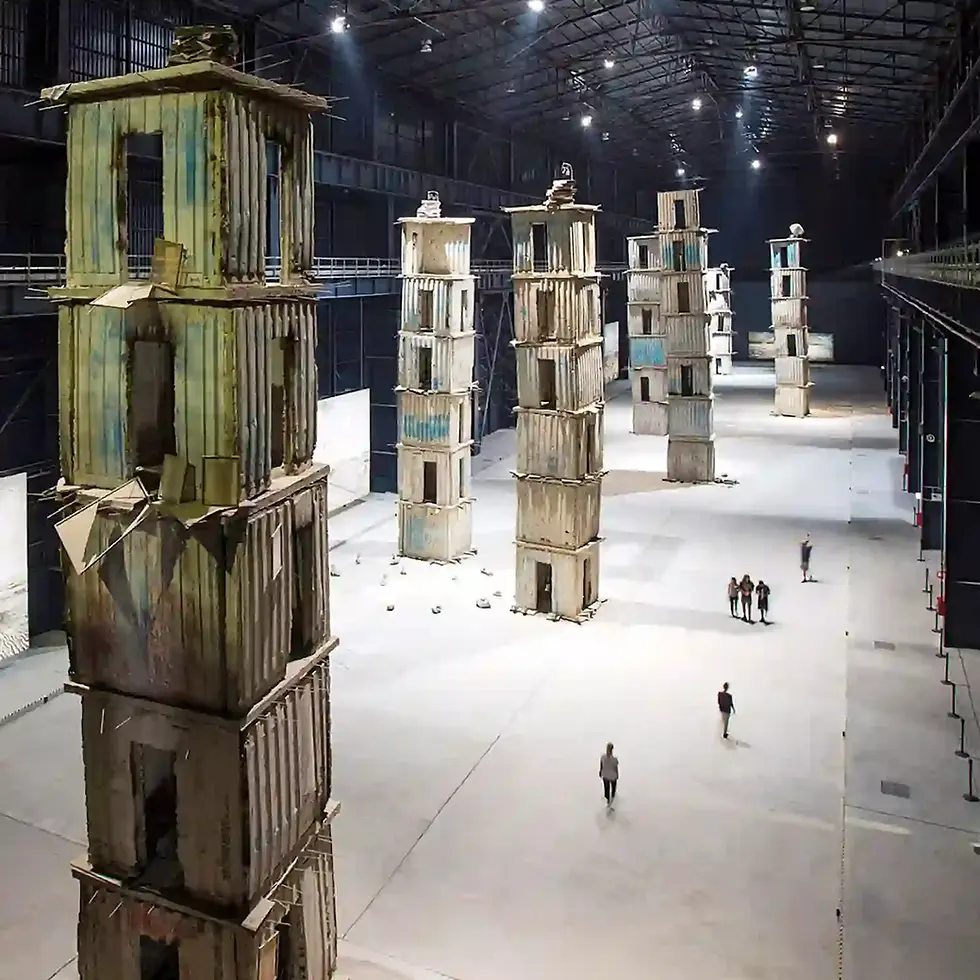
The converted locomotive factory in Milan’s industrial north houses site-specific installations of impossible scale. Anselm Kiefer’s Seven Heavenly Palaces—seven concrete towers rising from the factory floor, their surfaces encrusted with lead and debris—form a permanent installation that redefines what contemporary art can attempt.
The towers reach up to 14 metres, inspired by the mystical writings of the 16th-century Kabbalist Robert Fludd. Walking among them feels less like visiting a gallery than entering a ruined civilisation. The industrial setting amplifies the impact: raw concrete, exposed beams, the smell of dust and history.
Rotating exhibitions fill the adjacent spaces, featuring major international artists working at a monumental scale. Entry is free.
Address: Via Chiese, 2
Public transport: Metro M5 – Ponale
Website: pirellihangarbicocca.org
Attend La Scala—or at Least Visit
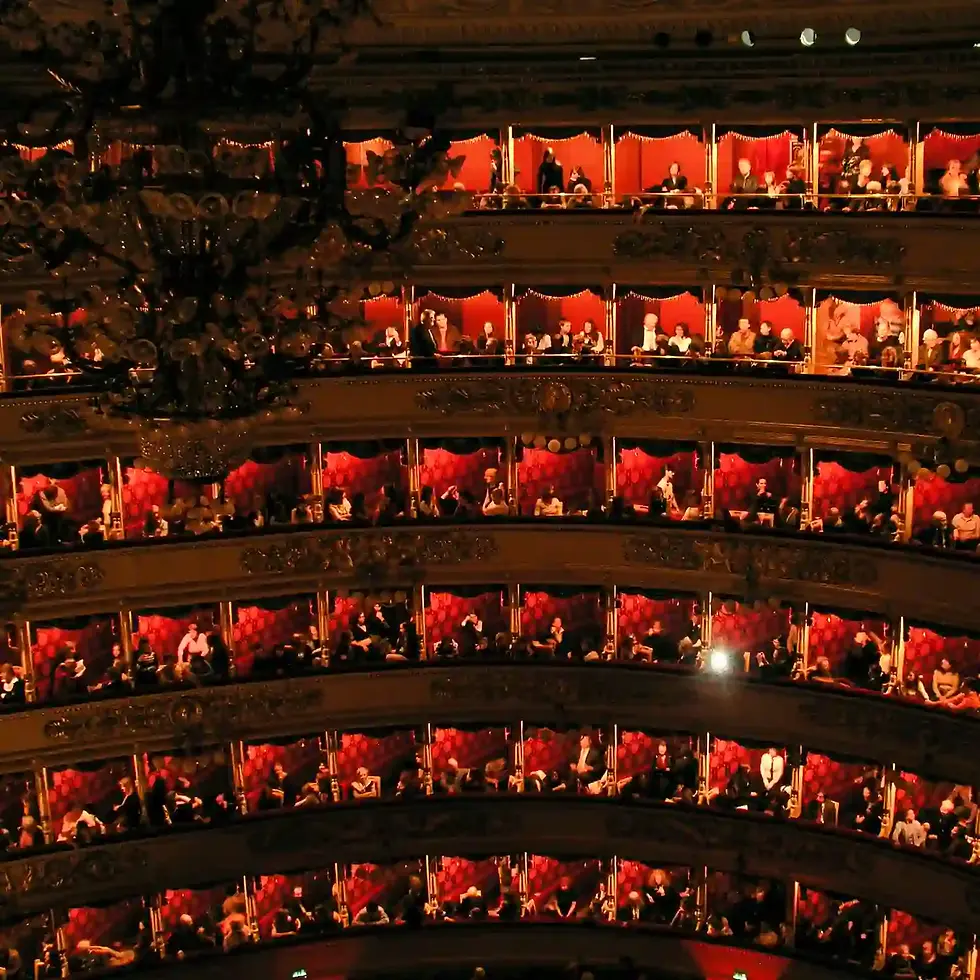
La Scala has premiered works by Verdi, Puccini, Rossini, Bellini and Donizetti—a roll call that essentially defines Italian opera. The current building dates to 1778, rebuilt after a fire and wartime bombing, with a horseshoe auditorium draped in red velvet and gold leaf, the acoustics nearly perfect.
Securing tickets requires planning and luck. The season runs from December to July, with ballet filling the summer months. The box office releases last-minute seats that reward the persistent; standing places offer a budget option for those willing to queue.
For those who can’t get in, the museum consoles: costumes, set designs, portraits of legendary performers, and a glimpse through glass into the darkened auditorium. You can almost hear the opening bars of La Traviata echoing through the empty space.
Address: Via Filodrammatici, 2
Public transport: Metro M1/M3 – Duomo
Website: teatroallascala.org
Fondazione Prada’s Transformed Distillery

Fondazione Prada occupies a former gin distillery transformed by architect Rem Koolhaas into something between a museum and manifesto. The complex comprises seven existing buildings clad in gold leaf, mirrors and foam, alongside three new structures that assert contemporary architecture’s ability to engage with industrial heritage.
The permanent collection runs to Damien Hirst, Jeff Koons and Louise Bourgeois, but rotating exhibitions push harder, stranger, and more willing to provoke. Recent shows have addressed cinema, anthropology and science alongside contemporary art.
Don’t miss Bar Luce, designed by filmmaker Wes Anderson as a tribute to classic Milanese cafés. The pastel-tinted interior, complete with wood panelling and a vintage pinball machine, provides a surreal pause between installations. Order a coffee and a slice of torta and watch the art crowd come and go.
Address: Largo Isarco, 2
Public transport: Metro M3 – Lodi T.I.B.B.
Website: fondazioneprada.org
The Duomo at Sunset
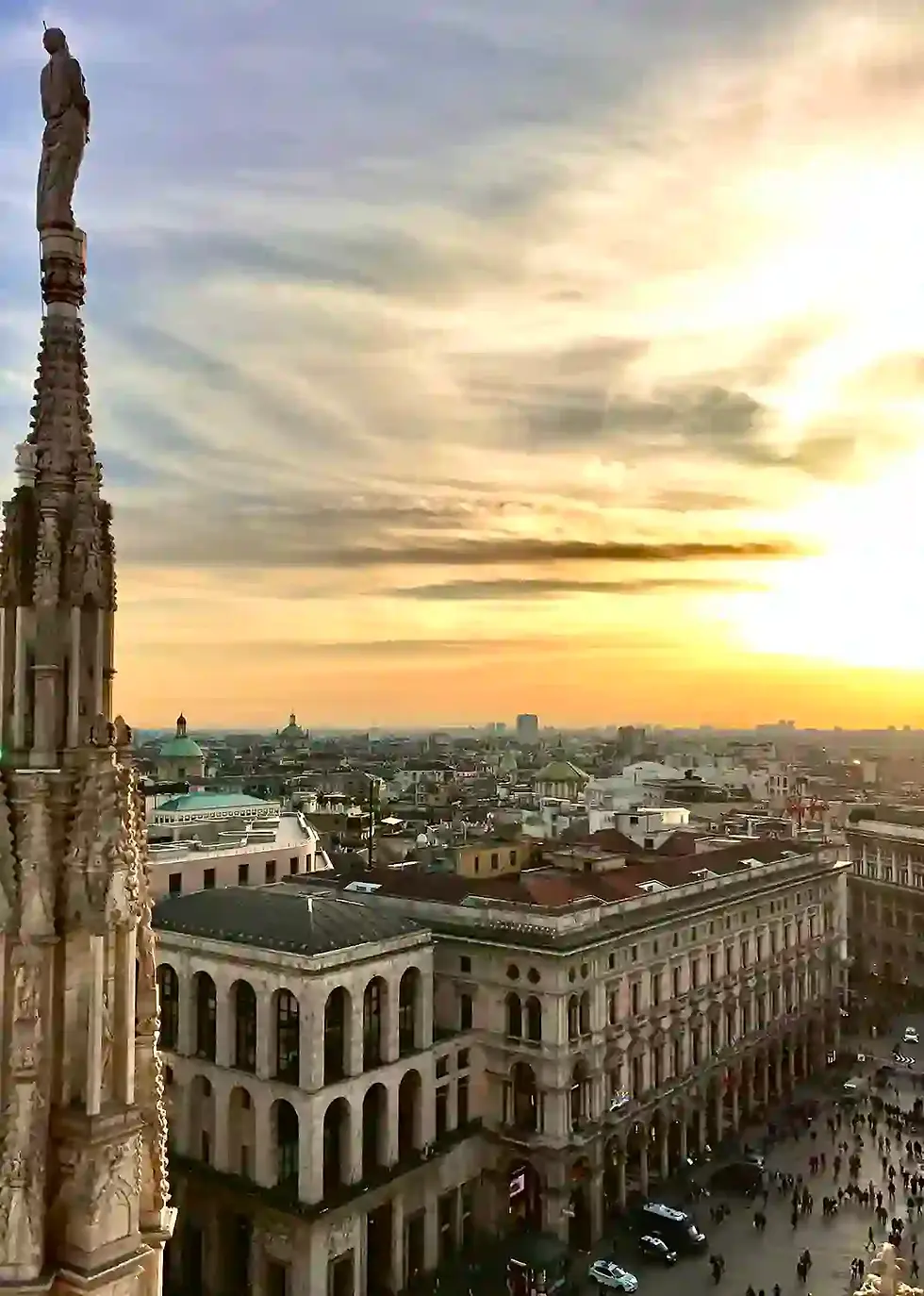
Milan’s cathedral took nearly six centuries to complete, and the result is northern Italy’s largest church. The façade alone contains 3,400 statues. Inside, light filters through enormous stained-glass windows onto a forest of marble columns. But the real reward comes on the rooftop.
Take the stairs or lift as the afternoon fades. Walk among the spires and flying buttresses as the Candoglia marble turns from white to pink to gold. On clear days, the Alps are visible in the distance—the same peaks where Olympic athletes competed for medals you’ve wisely ignored.
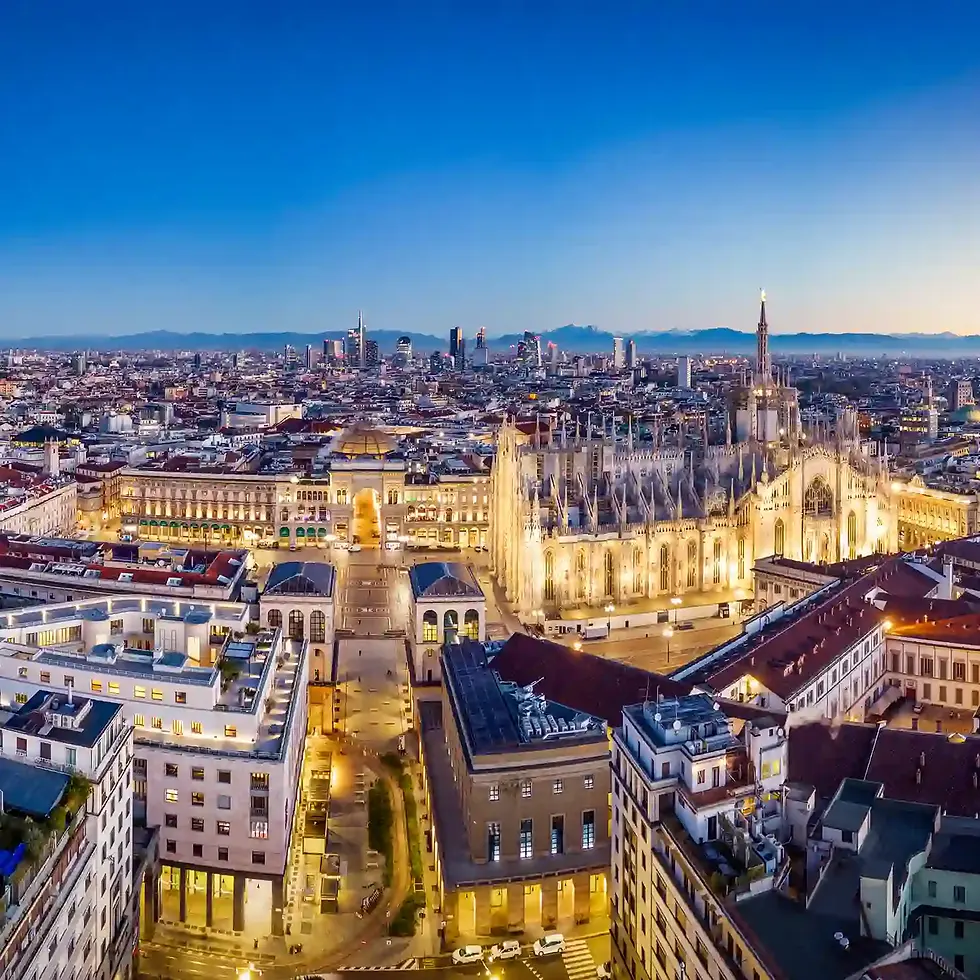
The Piazza del Duomo below, finally cleared of Olympic fan zones and temporary structures, returns to its proper function as Milan’s civic heart. From the rooftop, the city spreads beneath you: terracotta roofs, bell towers, the glass-and-steel skyline of Porta Nuova rising in the distance.
Address: Piazza del Duomo
Public transport: Metro M1/M3 – Duomo
Website: duomomilano.it
Master the Aperitivo Ritual

Milan perfected the apertivo culture and turned it into a ritual. The concept is simple: order a drink after work, and receive an elaborate buffet included in the price. The execution varies from modest bowls of olives to groaning spreads of risotto, pasta, cured meats and cheeses that render dinner unnecessary.
The Navigli district remains classic territory. The two remaining canals—fragments of a network that once connected Milan to the lakes and the sea—now line with bars spilling onto the towpaths at dusk. The crowd skews young, the music loud, the vibe somewhere between party and picnic.
Brera offers sophistication: try Radetzky or Jamaica for a more refined crowd among the galleries. Isola draws the locals to spots like Frida, where natural wines and relaxed service set the tone.
The drink matters. A Negroni—equal parts gin, Campari, and sweet vermouth, Campari itself a Milanese invention—provides the canonical choice. The Milanese take preparation seriously.
Where to go: Navigli (Metro M2 – Porta Genova), Brera (Metro M2 – Lanza), Isola (Metro M5 – Isola)
Milan’s Design Heritage

Milan invented modern Italian design, or at least convinced the world it did. The Triennale di Milano, housed in the Palazzo dell’Arte in Parco Sempione, traces this history through exhibitions that treat chairs and lamps with the seriousness usually reserved for sculpture. The collection spans Gio Ponti to the present, arguing for design as cultural expression rather than mere function.
Villa Necchi Campiglio offers a more intimate perspective. The 1930s rationalist villa, preserved as a house museum, captures Milanese high society between the wars. Architect Piero Portaluppi created interiors of sleek lines and warm materials—travertine floors, walnut panelling, a hidden swimming pool that scandalised the neighbours. The furniture, much of it custom-designed, demonstrates how completely modernism could transform domestic life.
For true devotees, the Achille Castiglioni Foundation opens the designer’s workshop, cluttered with prototypes and found objects that inspired icons like the Arco lamp. Tours serve audiences of one or two, preserving the intimacy that mass tourism destroys.
Triennale Milano: Viale Alemagna, 6 (Metro M1 – Cadorna) – triennale.org
Villa Necchi Campiglio: Via Mozart, 14 (Metro M1 – Palestro) – fondoambiente.it
Fondazione Achille Castiglioni: Piazza Castello, 27 (Metro M1 – Cairoli) – fondazioneachillecastiglioni.it
Find Your Hidden Courtyard
The grand palazzi lining Via Brera, Corso Magenta and Via della Spiga conceal courtyards that most tourists never see—Renaissance loggias, secret gardens, quiet fountains, spaces where the noise of the modern city falls away.
The trick is simple: push the heavy doors open. Many buildings allow public access during daylight hours; others reveal themselves to those who ask politely. The courtyards of Via Cappuccio and Via Lanzone, near Sant’Ambrogio, reward exploration. The Palazzo Clerici on Via Clerici opens its Tiepolo-frescoed gallery by appointment.
This is the Milan that belongs to the Milanese: private, elegant, understated. No Olympic visitor found it. No guidebook can fully map it. The city reveals itself slowly, one courtyard at a time, to those who understand that the best discoveries happen when you stop looking and simply wander.
The Practicals
Getting There
Milan Malpensa Airport (MXP) lies 50 kilometres northwest of the city. The Malpensa Express train reaches Milano Centrale or Cadorna stations in around 50 minutes. Buses offer a cheaper but slower alternative.
Milan Linate Airport (LIN) is closer, just 7 kilometres east, with bus connections to Centrale and now connected by Metro M4.
High-speed trains connect Milan to Rome (3 hours), Florence (1 hour 40 minutes), Venice (2 hours 15 minutes) and Turin (50 minutes). Milano Centrale is the main station, a monumental piece of fascist-era architecture worth exploring in its own right.
Getting Around
The metro covers most sights efficiently. Lines M1 (red), M2 (green), M3 (yellow), M4 (blue) and M5 (lilac) intersect at key stations. Buy a 24-hour or 48-hour travel pass for unlimited journeys.
Walking remains the best way to discover the city’s character, particularly in Brera, Navigli and Porta Nuova. Taxis are readily available; ride-hailing apps also operate.
When to Visit
Spring brings mild weather and lengthening days. Summer can be hot and humid, though in August many Milanese flee to the coast, leaving the city quieter.
Two days allow a taste. A week permits immersion—time to develop favourite spots and learn the city’s rhythms.
Good to Know
Tipping is not expected, though rounding up is appreciated. Restaurants typically include a coperto (cover charge) of €2–4 per person. Many museums close on Mondays.


